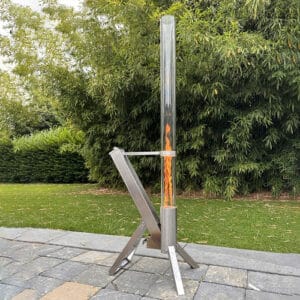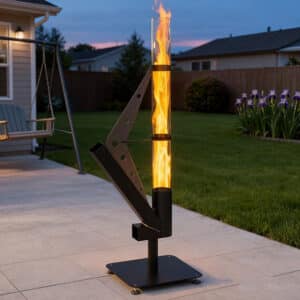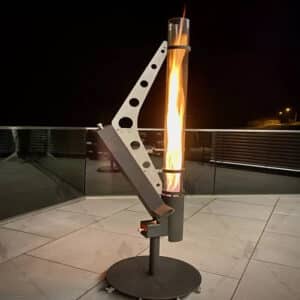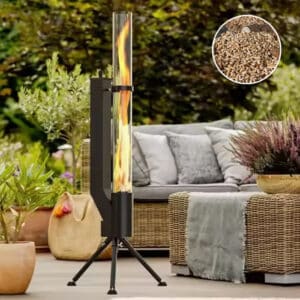


الـ سخان الحبيبات ذو الأنبوب الزجاجي يجمع بين الاستخدام الفعال للوقود والمزايا الزخرفية، وهو مناسب لأنشطة الترفيه في الهواء الطلق. يُنصح باختيار المنتجات من العلامات التجارية الموثوقة Keweitrading علامة تجارية ذات جودة عالية. انتبه بشكل خاص إلى مادة الأنبوب الزجاجي (بوروسيليكات عالي التركيز)، والاستقرار الهيكلي (تصميم مقاوم للانقلاب)، وشهادات الاعتماد (CE/UL)، وتقييمات المستخدمين. عند استخدامه، التزم بدقة بإرشادات السلامة: تأكد من تهوية جيدة، والتنظيف المنتظم، وإجراءات الإشعال الصحيحة. لشراء هذا الجهاز، يمكنك مقارنة أداء وتكاليف العلامات التجارية المختلفة وموازنة الاستثمار لمرة واحدة مقابل نفقات التشغيل على المدى الطويل. باختصار، يمكن لهذا الجهاز أن يوفر مصدرًا آمنًا ومريحًا للحرارة أثناء الأنشطة الشتوية في الهواء الطلق، ولكن لا يزال من الضروري الانتباه إلى المخاطر المحتملة المتعلقة بالسلامة ومتطلبات الصيانة لضمان الاستخدام المستقر على المدى الطويل.
اتصل بنا
تفاصيل المنتج:
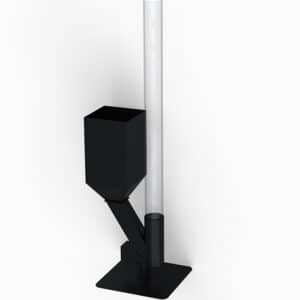
يمكنك تعبئة ما يصل إلى 1 كجم من حبيبات الخشب في المرة الواحدة؛ أنابيب زجاجية من البورسليكات عالية المحتوى من السيليكا
وتسمح لها بالاحتراق لمدة تصل إلى 60 دقيقة، وهي متينة وطويلة الأمد
تتميز قادوس الحبيبات بنظام تغذية أوتوماتيكي، وهي مزودة بمسامير لولبية وملحومة بإحكام عند القاعدة لضمان الاستخدام الموثوق
مما يلغي الحاجة إلى إعادة تعبئة الوقود بشكل متكرر. يرجى التأكد من استخدامه على أسطح مستوية
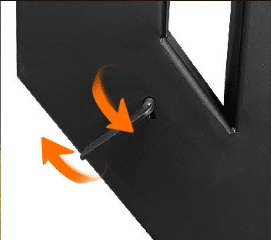
يتيح الضبط اليدوي للمخمد إيقاف العمليات مؤقتًا
تعريف المنتج ومبدأ عمله:
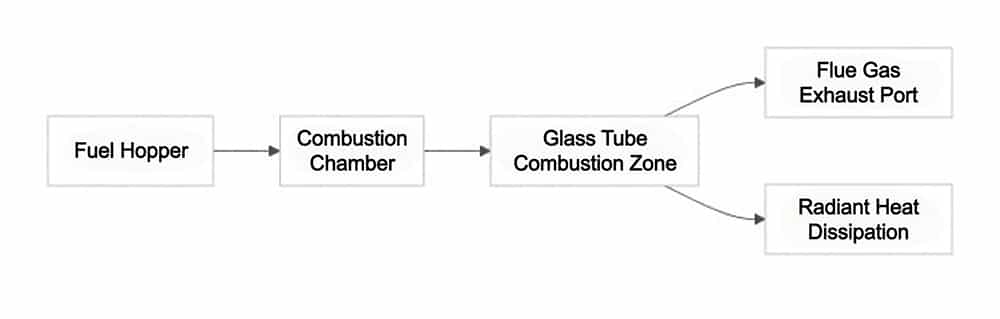
الـ موقد حرق في الهواء الطلق يعتمد مبدأ العمل على التفريغ بالجاذبية وتأثير المدخنة: بعد الاشتعال، تحترق الجسيمات عند درجات حرارة عالية داخل غرفة الاحتراق، وتُبدد الحرارة المتولدة بشكل أساسي في صورة إشعاع تحت الأحمر وحمل حراري. يعمل الأنبوب الزجاجي كدليل للدخان ويوفر العزل والحماية: فهو يعزل منطقة الاحتراق، مكونًا قناة تصاعدية (تأثير المدخنة)، مما يعزز تدفق الهواء، ويجعل الاحتراق أكثر اكتمالًا، وينقل الضوء المرئي والإشعاع الحراري بالأشعة تحت الحمراء إلى المحيط من خلال السطح الزجاجي. عادةً ما يُصنع الأنبوب الزجاجي من زجاج عالي البورسليكات مقاوم للحرارة بسمك ≥ 3 مم لتحمل درجة حرارة الاحتراق (تصل إلى 800 درجة مئوية أو أكثر). لا يتطلب النظام بأكمله مصدر طاقة خارجي (تعمل معظم الطرز بالجاذبية فقط)، كما أن هيكله بسيط، كما هو موضح في مخطط التدفق التالي:
تقييم الأداء والأمان:
♥ الكفاءة الحرارية: نظرًا لتبديد الحرارة في الغلاف الجوي، تتميز مواقد الحبيبات الخارجية عمومًا بكفاءة أقل مقارنةً بالمواقد الداخلية. وفقًا لوزارة الطاقة، تبلغ كفاءة مواقد الحبيبات المعتمدة من وكالة حماية البيئة (EPA) ما بين 70% و83% تقريبًا. وفي الاستخدام الفعلي، يُعد الضوء المرئي والأشعة تحت الحمراء طريقتي التسخين الرئيسيتين. على سبيل المثال، يدعي مورد آخر أن إنتاجية الموقد تبلغ 55,000 وحدة حرارية بريطانية (BTU)، لكن الحرارة الفعلية المحسوسة تعتمد على مساحة تغطية الإشعاع. ولتحسين الكفاءة، من الضروري ضمان الاحتراق الكامل (التهوية الاختيارية للمساعدة في الاحتراق) وتقليل فقدان الحرارة (تركيب عاكسات، وواقيات من الرياح، وما إلى ذلك).
♥ توزيع الحرارة: ينتشر لهب الأنبوب الزجاجي إلى الأعلى على شكل عمود، مع توزيع متجانس، وتكون الحرارة المحسوسة في المنطقة المحيطة متسقة نسبيًا (تدفئة “من الرأس إلى القدمين”). ومع ذلك، في الأماكن المفتوحة، تميل الحرارة إلى الانتشار، مما يجعلها مناسبة للتجمعات المحلية بدلاً من تدفئة المساحات الكبيرة.
♥ خطر الكسر/الانفجار: يتعرض الأنبوب الزجاجي للتمدد والانكماش الحراري في ظل درجات حرارة الاحتراق المرتفعة أو التبريد المفاجئ، مما ينطوي على خطر انفجاره. وعلى الرغم من أن الزجاج عالي البورسليكات مقاوم للصدمات الحرارية، إلا أنه قد تتشكل فيه شقوق أو حتى ينفجر في حالة تعرضه لتبريد سريع (مثل ملامسته للماء) أو في حالة وجود عيوب في التصنيع. لذلك، من الضروري تجنب رش الماء عليه أو تعريضه لصدمات قوية وهو لا يزال ساخنًا.
♥ التسرب والانبعاثات: يؤدي حرق جزيئات الفحم إلى إنتاج الدخان وأول أكسيد الكربون. وعلى الرغم من أن المخاطر تكون أقل عند الاستخدام في الهواء الطلق، إلا أنه لا يزال من الضروري اتخاذ الاحتياطات اللازمة لمنع تراكم أول أكسيد الكربون في الأماكن المزدحمة والخالية من الرياح. تحتوي معظم المنتجات على مخرج عادم موجه للأعلى ومفتوح، ولا تتطلب مدخنة، لذا يجب تجنب استخدامها في الأماكن المغلقة أو ضمان تهوية جيدة. تعمل مواقد الحبيبات بشكل نظيف نسبيًا، ولكن لا تزال هناك مشكلات تتعلق بانبعاثات جسيمات PM2.5 وأول أكسيد الكربون. يمكن أن يقلل استخدام حبيبات الخشب الصلب الجافة عالية الجودة من الدخان. تتمتع الطرز التي تفي بمعايير CE أو EPA بضمانات تتعلق بالانبعاثات.
♥ الحماية من ارتفاع درجة الحرارة: لا تحتوي هذه المعدات عادةً على نظام إلكتروني للحماية من ارتفاع درجة الحرارة، بل تعتمد على التبريد الميكانيكي. أثناء الاستخدام، يجب الحفاظ على توزيع الوقود بشكل متساوٍ (لتجنب التراكم المفرط الذي يتسبب في اشتعال اللهب بشكل مفرط)، كما يجب مراقبة درجة حرارة الجهاز لمنع ارتفاع درجة حرارة القاعدة أو الأنبوب، مما قد يؤدي إلى مخاطر تتعلق بالسلامة. في حالة سماع أصوات غير طبيعية أو حدوث تشوه في الأنبوب الزجاجي، يجب إيقاف تشغيل الموقد فورًا لإجراء الفحص.
العناصر والمواد الرئيسية للتصميم:
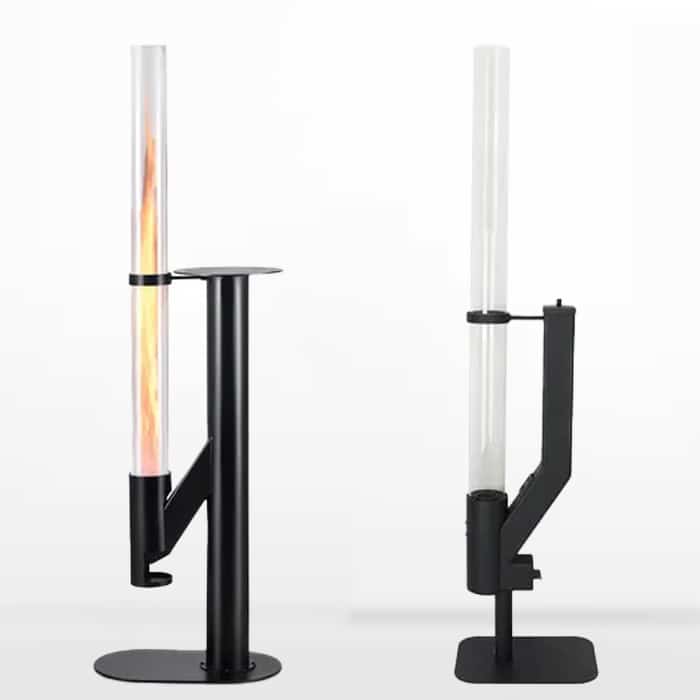
♥ مواصفات ومواد الأنبوب الزجاجي: يُصنع الأنبوب الزجاجي عادةً من زجاج عالي البورسليكات مقاوم للحرارة (مع معامل تمدد خطي منخفض للغاية)، ويبلغ سمكه عمومًا 3–4 مم. ويُطلق مصنع “كيوي” عليه اسم «أنبوب زجاج البورسليكات». يمكن للزجاج عالي البورسليكات أن يتحمل درجات حرارة تزيد عن 800 درجة مئوية، ويتمتع باستقرار جيد في مواجهة الصدمات الحرارية. تنص براءة الاختراع على أنه من خلال تشكيل الزجاج إلى جسيمات متعددة الأوجه (بسماكة ≤ 10 مم)، يمكن تقليل الإجهاد الداخلي ومنع حدوث تشققات أثناء التبريد والتسخين السريعين. يعتمد المنتج الفعلي على هيكل أنبوبي أحادي، لكنه لا يزال بحاجة إلى تجنب الصدمات الباردة والساخنة الشديدة (مثل صب الماء البارد فجأة).
♥ هيكل الإحكام والدعم: يتم تثبيت قاع الأنبوب الزجاجي في الجزء العلوي من غرفة الاحتراق، وعادةً ما يتم تثبيته بمشابك معدنية وإحكامه بحشوات سيليكون مقاومة للحرارة العالية لمنع تسرب الغاز. قد توجد حلقات معدنية قابلة للانزلاق أو أغطية في الجزء العلوي لتثبيت الأنبوب. وفقًا لوصف شركة Kewei، يتم تركيب مشبك تثبيت ومسامير تثبيت عند فتحة الأنبوب. تعتمد المتانة على المادة ودقة التجميع. قد تؤدي درجات الحرارة المرتفعة على المدى الطويل إلى التمدد الحراري، لذا يجب توفير مساحة كافية لمراعاة التمدد الحراري.
♥ المادة الرئيسية: يمكن تصنيع الهيكل الرئيسي لموقد الحرق الخارجي من الفولاذ الكربوني أو الفولاذ المقاوم للصدأ. يتميز الفولاذ الكربوني بتكلفة أقل، لكن مقاومته للتآكل أقل قليلاً، وهو مناسب للاستخدام في الهواء الطلق ويتطلب معالجة لمنع الصدأ؛ أما الفولاذ المقاوم للصدأ فيتميز بتكلفة أعلى، لكنه يتمتع بمقاومة جيدة للعوامل الجوية. يمكن أن يؤدي الرش أو الطلاء عند درجات حرارة عالية إلى زيادة مقاومة التآكل وتحسين المظهر (يمكن لمعالجة سطح Masoto أن تتحمل درجة حرارة تصل إلى 600 درجة مئوية).
♥ الاستقرار الهيكلي: تتخذ القاعدة في الغالب شكل حامل ثلاثي الأرجل أو هيكل مربع ملحوم، ويجب أن تكون مستقرة بما يكفي لمنع انقلابها. تتميز بعض المنتجات بقاعدة “تصميمية” أو تعتمد على وزنها الذاتي. ويمكن أن يؤدي استخدام هيكل أو أرجل متينة إلى تحسين الاستقرار، ولكنه سيزيد من الوزن والتكلفة. كما يُعد التصميم الذي يسهل النقل (مثل العجلات أو المكونات القابلة للفصل) أحد العوامل التي يجب أخذها في الاعتبار.
♥ تبديد الحرارة والحماية: تضم بعض طرازات سخانات الجسيمات من طراز «Courtyard Style» غطاءً لتبديد الحرارة أو غطاءً عاكسًا في الجزء العلوي من الأنبوب لتوجيه الحرارة نحو الأسفل (كما هو موضح في اللوحة العاكسة العلوية بالصورة). عند التصميم، يجب مراعاة مادة الغطاء الواقي (عادةً شبكة معدنية أو لوح عاكس) لمنع التلامس العرضي وتحسين تأثير الإشعاع نحو الأسفل.

مزايا وعيوب الخيارات الرئيسية في التصميم:
| عناصر التصميم | المزايا | العيوب |
| المواد الزجاجية (بوروسيليكات سميك) | مقاومة عالية للحرارة، ومقاومة للصدمات الحرارية، وشفافة وجميلة | التكلفة المرتفعة؛ حيث تتسبب قوة الجاذبية في تركيز الإجهاد، مما يجعل من الضروري اتخاذ تدابير لمنع حدوث الكسر. |
| المادة الرئيسية: الفولاذ الكربوني | تكلفة منخفضة، وسهلة التصنيع | عرضة للصدأ وتتطلب صيانة؛ وليست مقاومة لظروف المناطق الساحلية |
| المادة الرئيسية: الفولاذ المقاوم للصدأ | مقاومة للتآكل ومقاومة جيدة للعوامل الجوية. | التكلفة المرتفعة؛ الموصلية الحرارية أقل قليلاً من تلك الخاصة بالفولاذ الكربوني |
| طريقة التغذية: التغذية بالجاذبية | هيكل بسيط، ولا يحتاج إلى مصدر طاقة | يصعب التحكم في معدل الاحتراق بدقة؛ لذا يتعين إضافة المواد على فترات منتظمة. |
| طريقة التغذية: تلقائي / مروحة | احتراق أكثر اكتمالاً وقدرة أفضل على التحكم | The system is complex and requires power supply; the cost is high. |
| Base design: tripod | Low center of gravity, good stability | Small in size; not suitable for soft ground |
| Base design: Flat plate / Box type | High space utilization rate, capable of accommodating components | Heavy in weight; difficult to move |
| Reflector hood: Yes | The heat can be reflected downward to enhance radiation. | Increase the obstruction (increase of wind load); Cost |
| Reflector hood: None | Simple and lightweight | Simple and lightweight |
Applicable scenarios and installation precautions:
This type of Outdoor Wood Pellet Stove is mainly used in outdoor environments (such as gardens, patios, campsites, etc.), does not require an additional power source, and is easy to move. However, even outdoors, ensure there are no flammable materials around and the ground is stable. If used in a semi-enclosed space (such as an open balcony with a roof), ensure good ventilation to discharge carbon monoxide. For indoor or enclosed spaces, strictly prohibit use to avoid CO poisoning and fires. The “Regulations on Fire Protection of the People’s Republic of China” and local fuel usage regulations have strict restrictions on indoor fuel stoves. Be sure to abide by local laws and regulations.
When installing, follow the instructions in the product manual: First, connect the glass tube and fix it with a clamp to ensure the bottom of the glass tube is tightly attached to the combustion chamber; Check all locking parts, door locks, and heat reflection plates to ensure they are firmly fixed; Before the first ignition, conduct a test fire and observe the surrounding temperature and the heating condition of the structure. Some high-end models of Biomass Fuel Heating Stoves may be equipped with rain caps or detachable roof covers, which can be installed or removed according to weather conditions. In summary, ventilation and stability are the primary considerations.

المنتجات ذات الصلة
-

outdoor freestanding pellet rocket stove
-
موقد حطب حبيبي حديث قائم بذاته باللون الأحمر للاستخدام في الهواء الطلق
-
موقد يعمل بحبيبات الوقود مصنوع من الفولاذ المقاوم للصدأ
-
موقد منزلي ذكي لا ينبعث منه دخان يعمل بحبيبات الخشب
-
موقد حبيبي بسطح من الفولاذ المقاوم للصدأ
-
مدفأة الحطب وموقد حبيبات الخشب
-
أفضل مواقد التدفئة التي تعمل بحبيبات الخشب والمزودة بفتحة تغذية كبيرة
-
الموقد الأكثر كفاءة الذي يعمل بحبيبات الخشب دون انبعاث دخان
-
موقد الحبيبات، مدفأة الفناء الخارجي
-
مواقد التدفئة التي تعمل بحبيبات الخشب